 Comunications
News
SELA participated in 11th Ministerial Summit of the OECD Latin America and the Caribbean Regional Programme
Comunications
News
SELA participated in 11th Ministerial Summit of the OECD Latin America and the Caribbean Regional Programme
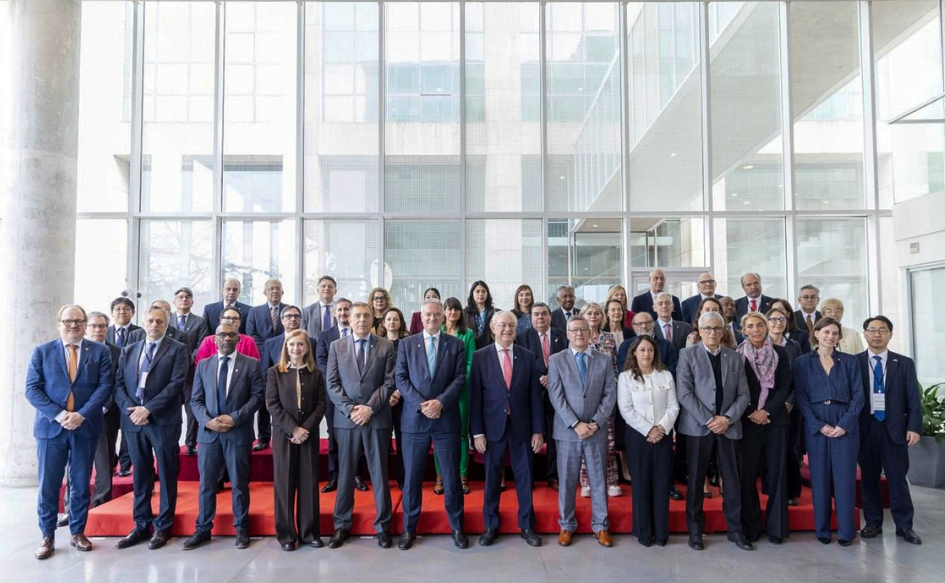
The Permanent Secretary of the Latin American and Caribbean Economic System (SELA), Ambassador Lesly David, attended the 11th Ministerial Summit of the Organisation for Economic Co-operation and Development (OECD) Latin America and the Caribbean Regional Programme, held in Montevideo, Uruguay, under the theme “Inclusive Innovation and the Artificial Intelligence Revolution.” The event brought together senior officials, ministries and regional organisations to discuss ways of overcoming the productivity trap and promoting sustainable and inclusive growth in the region.
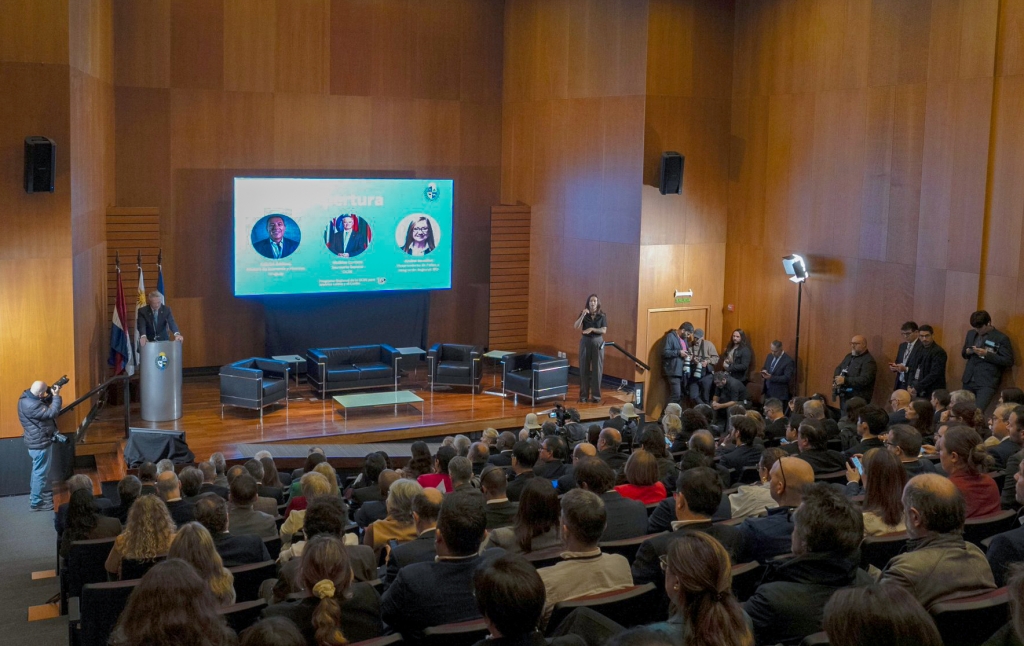
According to the OECD, countries in Latin America and the Caribbean continue to face a persistent “productivity trap.” Currently, labour productivity in the region remains stagnant at around one-third of the OECD average, as a result of a productive structure concentrated in sectors characterised by low sophistication and a high level of informality. Against this backdrop, the Ministerial Summit on Inclusive Innovation and the Artificial Intelligence Revolution provides a strategic platform for sharing best practices and promoting action across three thematic pillars: inclusive growth; innovation and technology transfer; and AI-driven skills and productivity. These are aimed at driving coordinated policies for productive transformation, skills development and innovation.
Education and skills in the age of artificial intelligence
During the first working session, entitled “Acquiring knowledge and skills in the age of innovation and artificial intelligence,” the opportunities and challenges posed by generative AI (GenAI) in education systems were analysed. While these tools offer the potential to personalise learning and support teachers, the Summit addresses the need to safeguard critical thinking, creativity and human judgement.
In order to guide this process, the OECD presented its Perspectives on the Effective Use of Generative AI in Education, structured around five key pillars that prioritise human-centred teaching, trustworthy innovation, equitable digital infrastructure and the preservation of human agency.
Tools for regional governance and cooperation
The second session, “Leveraging the tools of the OECD AI Policy Observatory to support the design and implementation of AI policies,” addressed the lack of national AI strategies in various countries across the region.
In light of this situation, the event highlighted the usefulness of the OECD’s AI Policy Navigator, which contains more than 2,300 global initiatives, and the AI Incident and Hazard Monitor (AIM) to facilitate evidence-based governance and anticipate emerging risks in the real world.
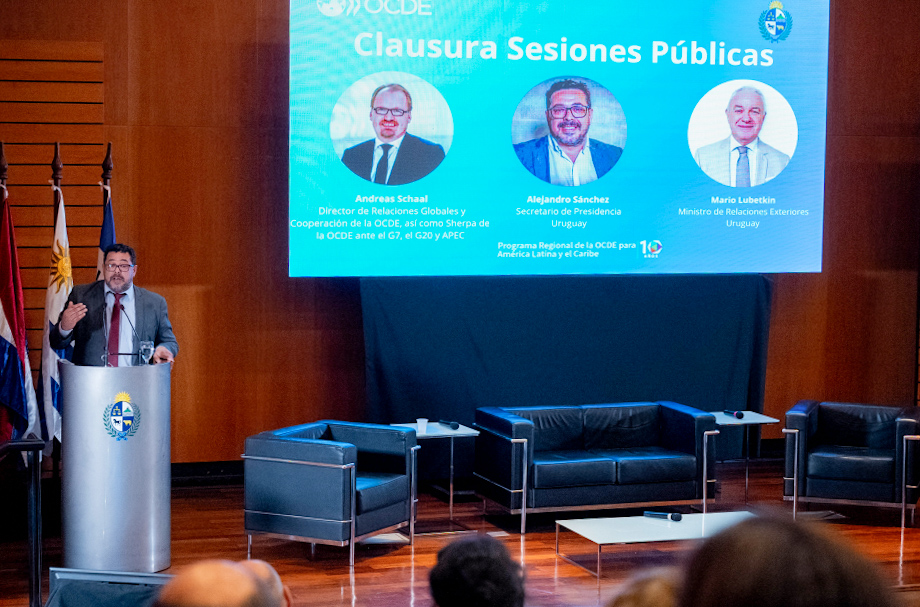
The Summit emphasises the importance of strengthening regional cooperation through common policy frameworks, enabling countries in Latin America and the Caribbean to accelerate the adoption of AI, promote productive inclusion and build public confidence in new technologies.